
Half-Timbered Houses: Reflections of Normandy
Where to See Half-Timbered Houses in Normandy
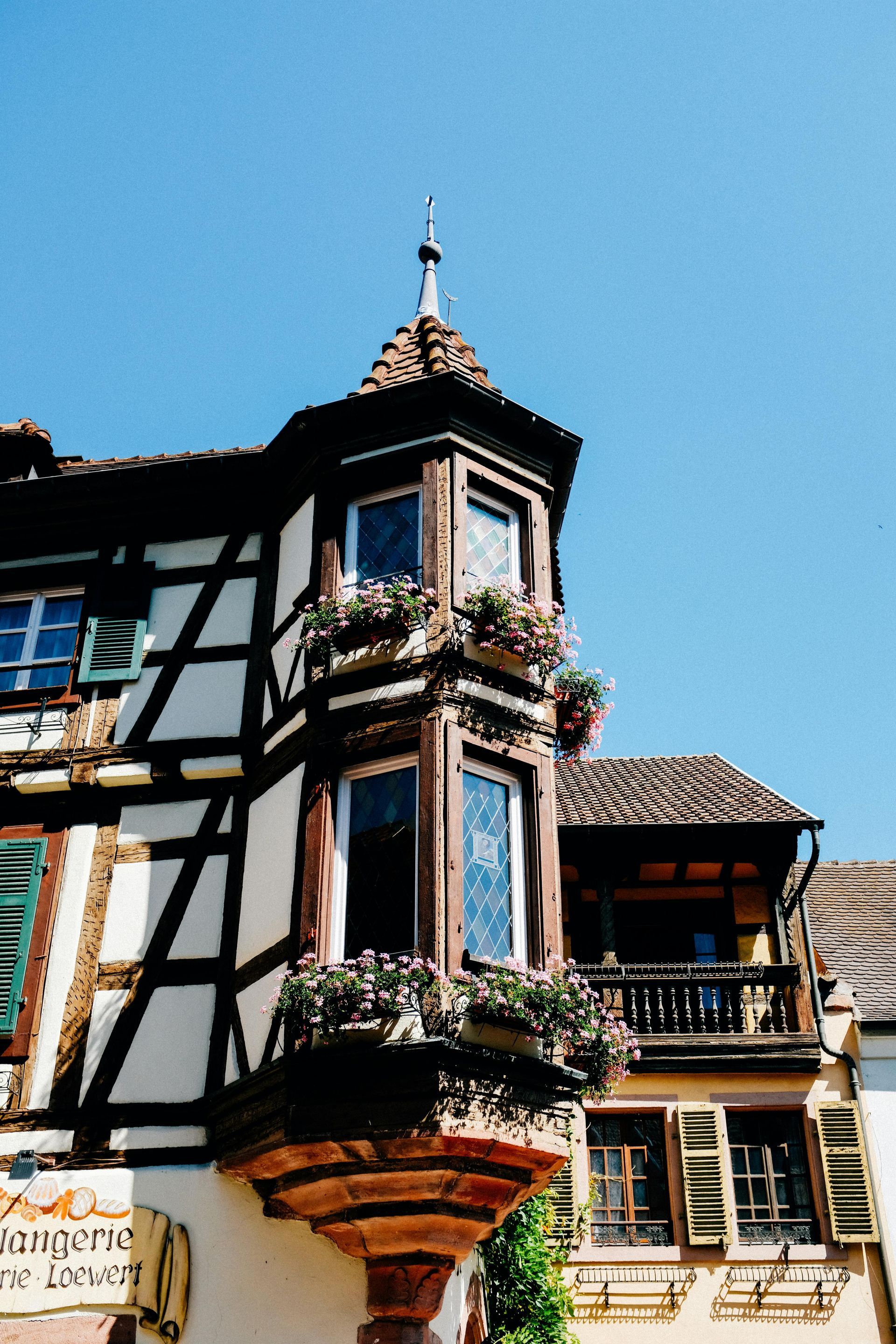
Half-timbered houses, known in French as maisons à colombages or timber-framed houses, are an iconic symbol of Normandy’s architectural heritage. Instantly recognizable, they feature exposed wooden beams filled with materials such as wattle and daub or brick, often painted in warm, inviting colors.
These picturesque homes typically date back to the Middle Ages or the Renaissance, and today they still shape the heart of many Norman villages. You’ll find them in abundance in places like Lyons-la-Forêt, Honfleur, Vernon, and Pont-Audemer, and especially in Rouen, which boasts the largest collection in France, around 2,000 half-timbered houses, including 200 from medieval times.
In villages like Le Bec-Hellouin, these homes, sometimes topped with thatched roofs and decorated with blooming irises, offer a truly timeless atmosphere. Walking through these settings feels like stepping back into history, surrounded by the peaceful beauty of the Norman countryside.
How These Houses Were Built
From a technical perspective, half-timbered houses are both ingenious and eco-friendly.
They are constructed on a stone base, topped with a wooden oak framework. The spaces between the beams are filled with daub, a mix of clay, straw, and lime. This method allows the walls to “breathe,” which explains why many of these homes have stood strong for centuries.
Over time, especially in urban areas, daub was often replaced with brick or stone, creating beautiful geometric patterns on the façades.
Whether it’s a modest countryside cottage or an elegant manor house, these buildings all share a sense of rustic authenticity and warmth. They perfectly embody the Norman lifestyle: simple comfort, durability, and a strong connection to nature.
A Must-See Experience in Normandy
Today, exploring half-timbered houses is one of the must-see experiences in Normandy.
For example, in Vernon, near Giverny, you’ll discover unique houses blending timber framing with limestone. Many visitors experience these sites through private guided tours, often including stops for photos or lunch in historic buildings with centuries-old wooden beams.
As one American traveler shared:
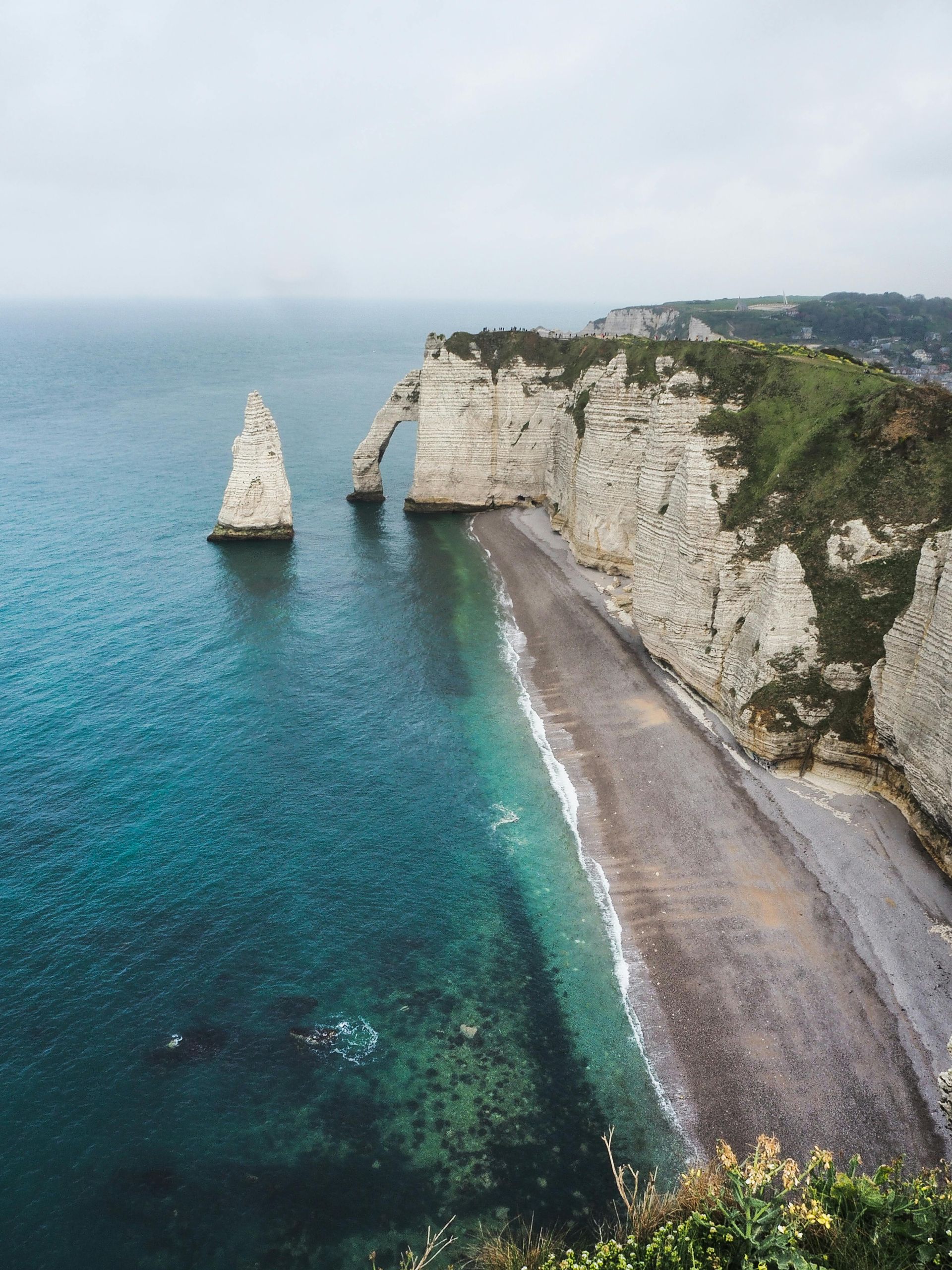
“We loved savoring oysters, cheese, and cider overlooking the cliffs, these Norman landscapes are simply breathtaking.”
What makes the experience truly special is the presence of a passionate local guide. You’ll hear stories, learn about traditional flax farming or apple tree cultivation, and gain insights you simply wouldn’t get on your own.
These houses are not just decorative, they are a living reflection of Normandy’s soul.
Insider Tip
To fully experience these charming homes, choose a tour focused on rural heritage and authentic villages, such as a Côte Fleurie & Villages itinerary.
With local insiders, you’ll explore hidden gems, flower-filled villages, and quiet Norman streets far from the crowds. All you have to do is enjoy the scenery and soak in the atmosphere, many travelers describe it as “a true journey through time.”