
THE BELLS OF NOTRE-DAME DE PARIS : A NORMAN STORY NEAR MONT-SAINT-MICHEL

Mathieu Berger • March 27, 2026

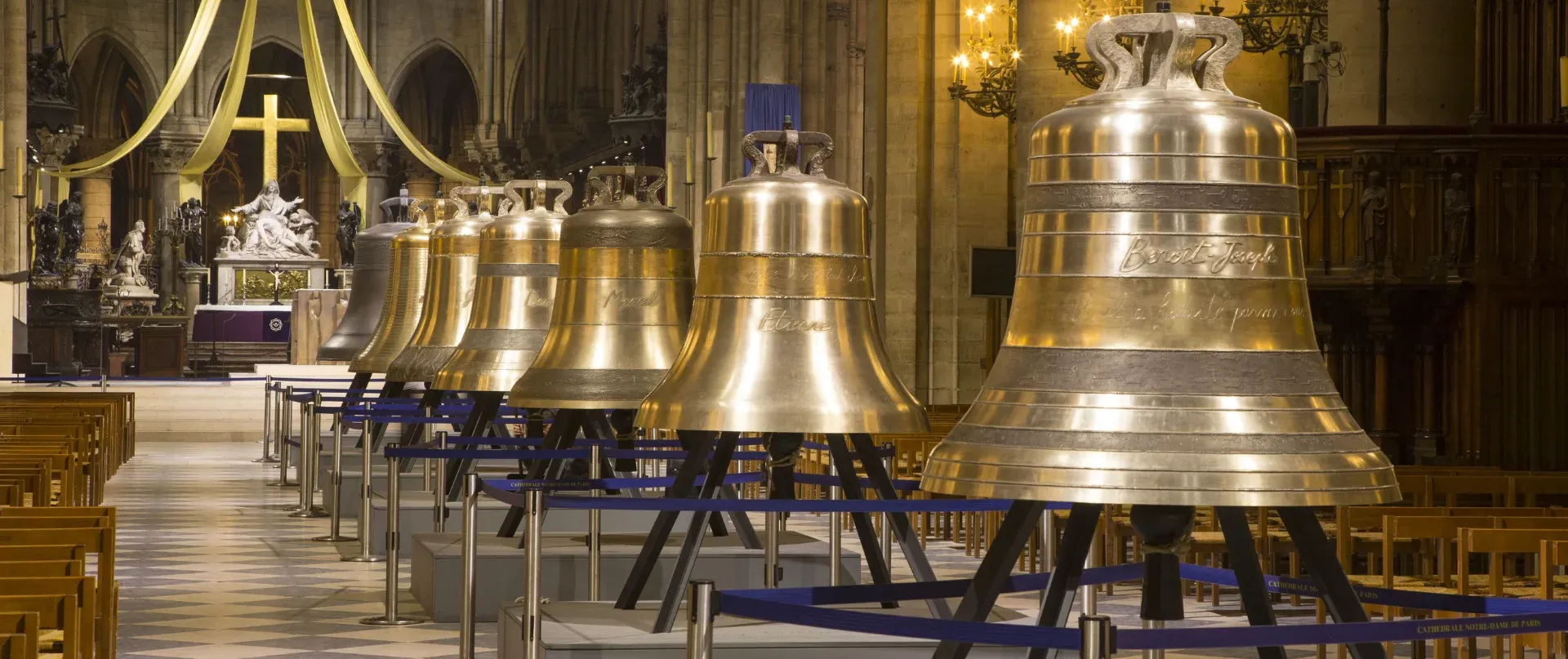
Part of the “sound” of Paris actually has a Norman accent: the eight bells in the north tower of Notre-Dame, installed for the cathedral’s 850th anniversary, were cast in Normandy. Just a short drive from Mont-Saint-Michel, the artisan town of Villedieu-les-Poêles is home to a foundry whose craft connects the bay to some of the world’s greatest monuments, a story best experienced on a private guided tour, blending heritage, landscapes, and local flavors.

People often assume Notre-Dame “rings” for Paris… and only Paris. Yet part of that iconic voice was born far from the city’s bustle, in the Norman countryside, just steps from Mont-Saint-Michel.

Here, along quiet country roads and surrounded by the scent of heated metal, you discover an unexpected side of Normandy: one that quite literally creates the music of cathedrals.
Local context: the Mont, the bay… and the art of experiencing Normandy

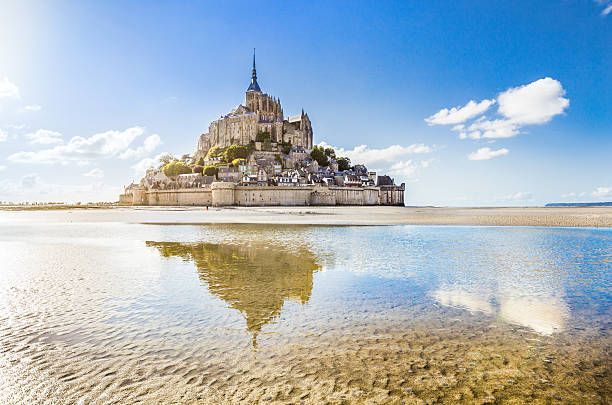
Perched on a rocky island in the middle of vast tidal flats shaped by powerful tides, Mont-Saint-Michel is described by UNESCO as a technical and artistic masterpiece, built between the 11th and 16th centuries on a unique natural site.

In this bay, nature sets the rhythm: it is home to the strongest tides in continental Europe. When the tidal coefficient exceeds 110, the Mont becomes an island again for a few hours, and access can be cut off.

This is exactly the kind of experience many travelers seek: visiting an iconic place, but at the right pace, at the right moment, away from the crowds, and off the beaten path.

The history of bell casting: Norman craftsmanship serving a world monument

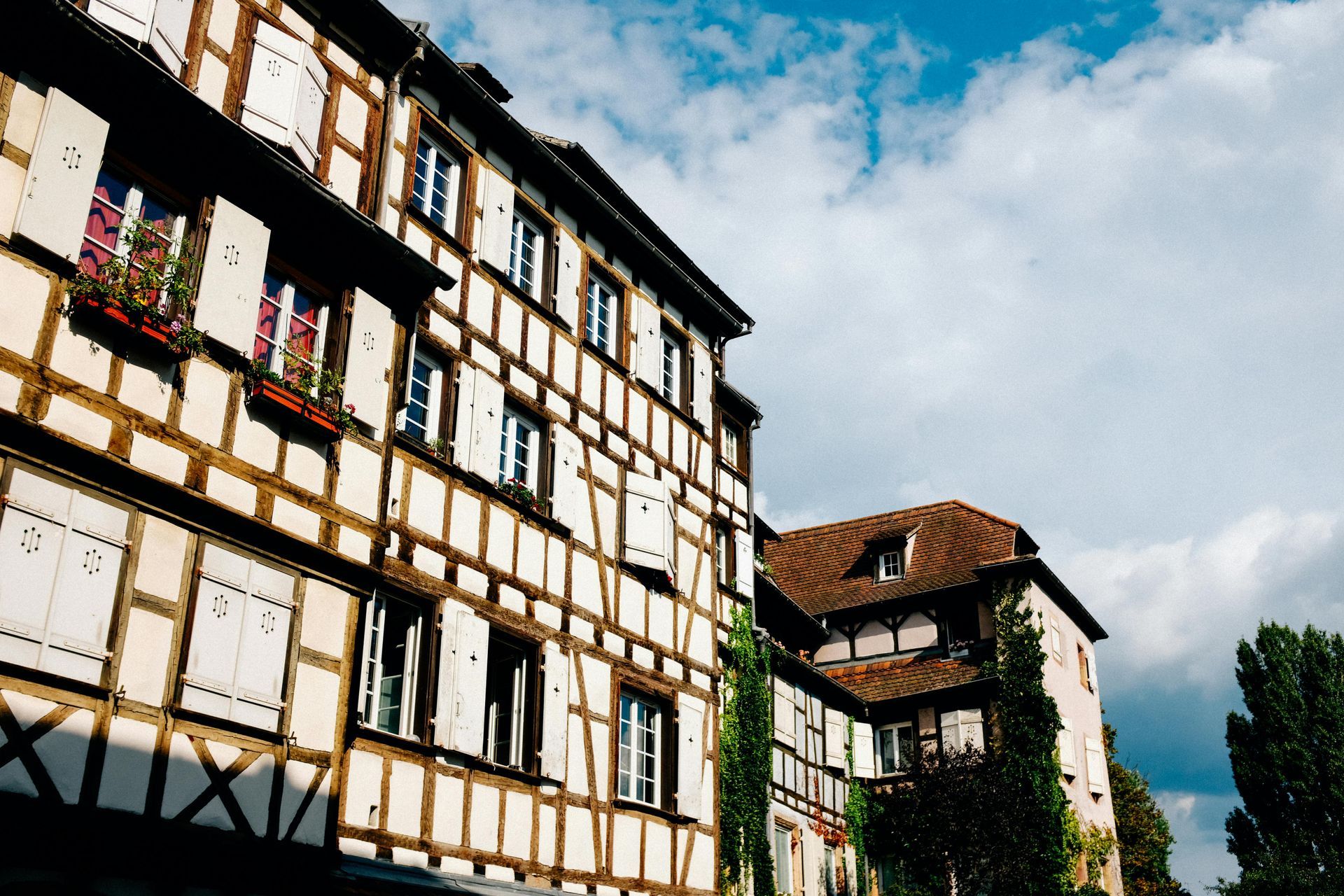
Not far from Mont-Saint-Michel lies Villedieu-les-Poêles, known as a former commandery turned “copper city,” awarded the “City of Arts and Crafts” label, with architecture preserved from the bombings of 1944.

It is here that you’ll find the Cornille-Havard Foundry, where traditional techniques remain visible and almost tangible: clay molds, organic materials, and a modern approach to acoustic precision.

The official Notre-Dame website states that the set of eight bells was “manufactured in Normandy,” then installed in the north tower for the cathedral’s 850th anniversary (2013), with production attributed to Cornille-Havard (2012–2013).

On January 31, 2013, nine new bells (including those in the north tower) were installed in the cathedral.

And on March 23, 2013, at 5:00 PM, the new chime rang out for the first time across the Parisian sky, a turning point where a creation born in a workshop became part of a living soundscape.
The history of bell casting: Norman craftsmanship serving a world monument

Not far from Mont-Saint-Michel lies Villedieu-les-Poêles, known as a former commandery turned “copper city,” awarded the “City of Arts and Crafts” label, with architecture preserved from the bombings of 1944.

It is here that you’ll find the Cornille-Havard Foundry, where traditional techniques remain visible and almost tangible: clay molds, organic materials, and a modern approach to acoustic precision.

The official Notre-Dame website states that the set of eight bells was “manufactured in Normandy,” then installed in the north tower for the cathedral’s 850th anniversary (2013), with production attributed to Cornille-Havard (2012–2013).

On January 31, 2013, nine new bells (including those in the north tower) were installed in the cathedral.

And on March 23, 2013, at 5:00 PM, the new chime rang out for the first time across the Parisian sky, a turning point where a creation born in a workshop became part of a living soundscape.


How to experience it with Normandy Insiders

At Normandy Insiders, the idea is simple: turn a “major landmark” into a seamless, intimate, and comfortable experience. A private tour, at your own pace, with a local Insider.

Your day can become a story: a morning exploring the countryside and the foundry, a midday break enjoying local specialties (cider, cheese, oysters depending on your route), and a final visit to Mont-Saint-Michel as the light fades and the bay stretches out.

Our DNA is clear: tailor-made experiences, hidden gems, and journeys off the beaten path.
By Mathieu Berger April 22, 2026
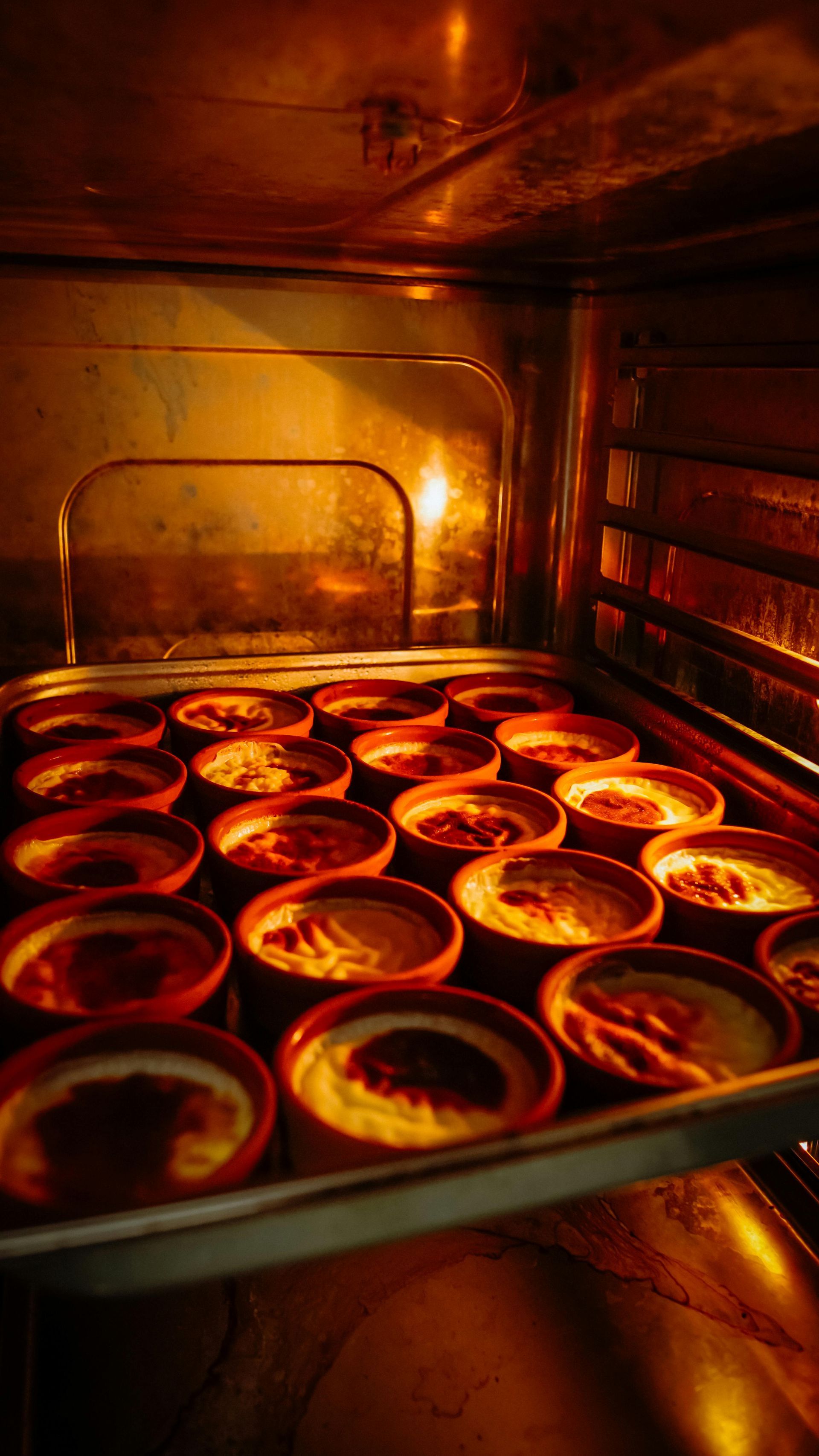
A Must-Taste Dessert on Your Luxury Normandy Tour When travelers think about tours in Normandy , they often imagine the Mont-Saint-Michel, D-Day beaches, or private wine and cheese tastings. But true insiders know that the soul of Normandy lies in its authentic gastronomy, and few desserts capture this better than tourgoule. This traditional Norman rice pudding, slow-cooked with cinnamon, is more than just a dessert, it’s a culinary experience , a journey into centuries of local heritage. At Normandy Insiders , we believe that discovering regional specialties like tourgoule is what transforms a simple trip into the best Normandy tour experience . A Taste of History: The Origins of Tourgoule Tourgoule dates back to the 18th century, when rice and spices first arrived in Normandy through maritime trade. Local farmers began cooking rice in fresh milk for hours in wood-fired ovens, creating a rich and comforting dish. Its unusual name comes from the Norman dialect “tordre la goule”, meaning “to twist the mouth”, a playful reference to impatient villagers burning their tongues while tasting it straight from the oven. Today, tourgoule remains a symbol of Normandy’s culinary heritage , served in family homes, local markets, and even refined gourmet restaurants .
By Mathieu Berger April 13, 2026
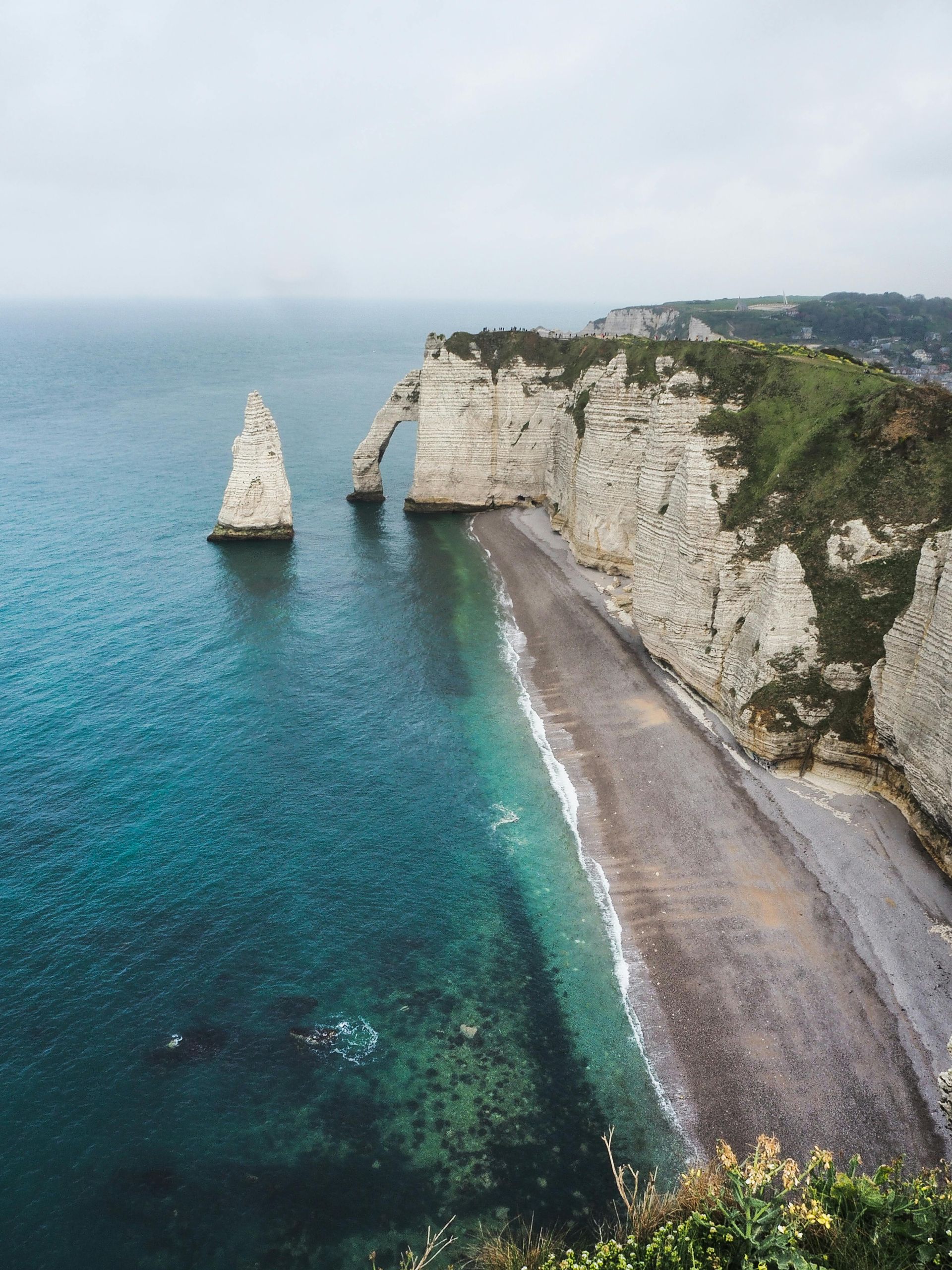
If you're dreaming of a luxury tour in Normandy , the iconic cliffs of Étretat should be at the very top of your list. Loved by artists, writers, and seasoned travelers, this spectacular destination offers a perfect blend of natural beauty, history, and exclusive insider experiences . Welcome to one of the most unforgettable Normandy tours for curious and refined travelers . A Remarkable Natural and Historical Heritage  The cliffs of Étretat date back over 90 million years to the Cretaceous period, when the region was covered by a warm, shallow sea filled with microscopic marine organisms. Over time, their shells accumulated and formed the distinctive white chalk, which was later sculpted by the sea and wind into the dramatic natural arches we admire today. Over the centuries, Étretat evolved from a modest fishing village into a lively coastal destination. In the 19th century, it became a fashionable seaside resort, attracting the Parisian elite and aristocracy.
By Mathieu Berger April 1, 2026
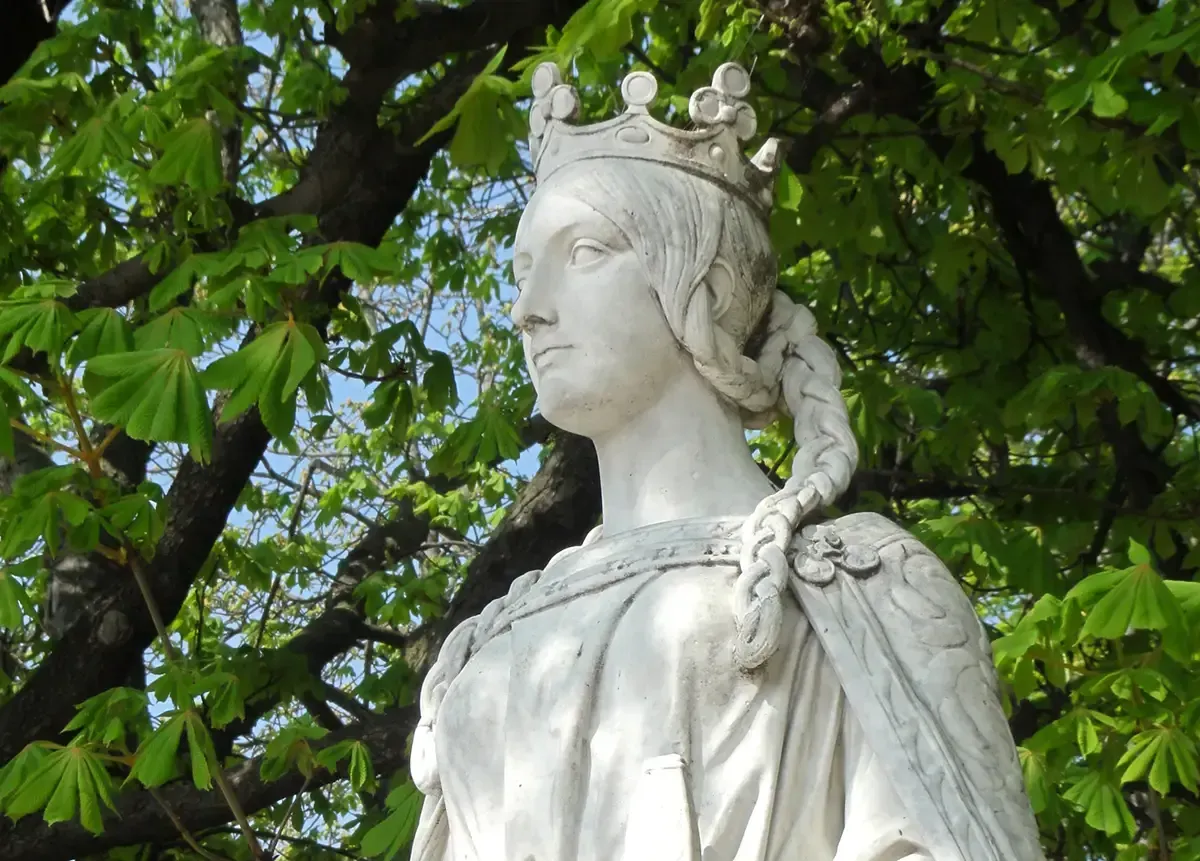
When travelers hear the name William the Conqueror, they often imagine a formidable warrior crossing the English Channel in 1066 to claim the throne of England.Yet this iconic narrative only tells part of the story. To truly understand William, the man, the ruler, and the strategist, one must also explore the life and influence of his wife, Matilda of Flanders. Their partnership was not merely dynastic; it was political, cultural, and profoundly modern in its balance of power. For today’s discerning traveler, this dual perspective transforms a historical visit into a deep, refined, and intellectually engaging journey through Normandy . A Marriage That Shaped Europe Matilda was born into the powerful House of Flanders, one of the most influential dynasties in Northern Europe. Her marriage to William was far from a romantic anecdote, it was a calculated alliance that strengthened Normandy’s geopolitical position. At the time, William was still consolidating his authority as Duke of Normandy. Through Matilda, he gained legitimacy, connections, and increased prestige among European courts.This union laid the groundwork for what would become one of the most transformative events in European history: the Norman Conquest of England. Matilda was not a passive consort.During William’s frequent absences, especially during the conquest and early years of his English reign, she governed Normandy. She managed ducal affairs, maintained stability, and ensured continuity of power. This level of responsibility highlights her intelligence, authority, and political acumen, qualities that resonate strongly with modern audiences seeking powerful female figures in history .
By Mathieu Berger April 1, 2026
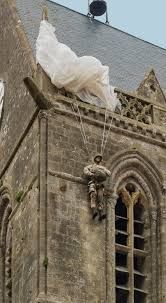
On the night of June 5 to June 6, 1944, Normandy became the stage for one of the most decisive events of the 20th century: the D-Day. In the early hours before dawn, thousands of American paratroopers were dropped behind enemy lines. Their mission was critical: secure roads, bridges, and key villages to support the troops landing on the beaches. Among them was John Steele , a soldier of the legendary 82nd Airborne Division. He had no idea that his name would become one of the most iconic and human stories of World War II.
By Mathieu Berger March 31, 2026
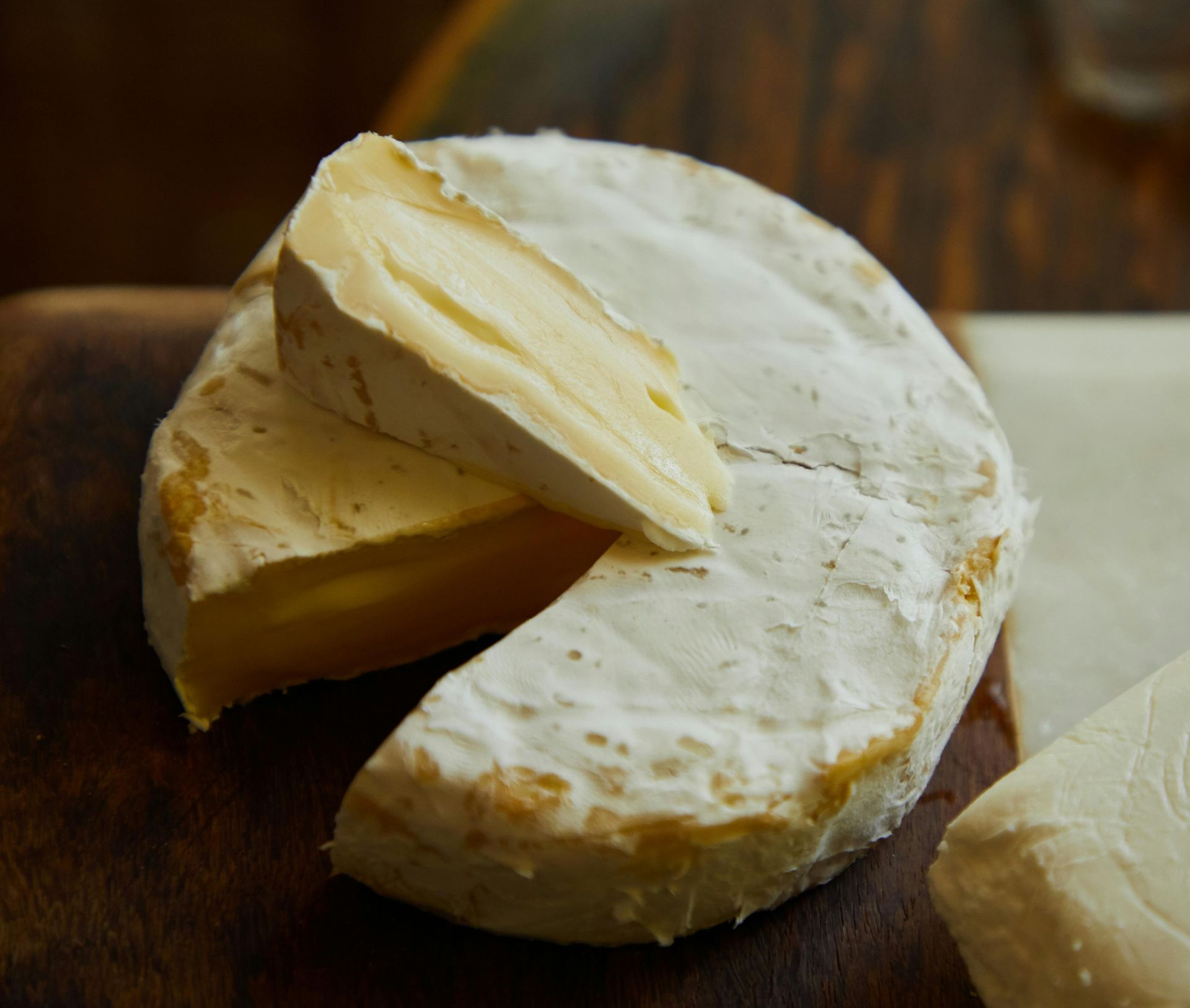
When travelers think of Normandy, France , images of rolling green pastures, historic villages, and refined gastronomy naturally come to mind. Among the region’s most iconic culinary treasures, Camembert cheese stands as a true symbol of the Norman terroir. More than just a cheese, Camembert embodies a way of life, rooted in tradition, craftsmanship, and authenticity. For visitors seeking exclusive tours in Normandy , discovering Camembert is an essential part of any luxury travel experience in France .
By Mathieu Berger March 27, 2026
Where to See Half-Timbered Houses in Normandy Half-timbered houses, known in French as maisons à colombages or timber-framed houses, are an iconic symbol of Normandy’s architectural heritage. Instantly recognizable, they feature exposed wooden beams filled with materials such as wattle and daub or brick, often painted in warm, inviting colors. These picturesque homes typically date back to the Middle Ages or the Renaissance , and today they still shape the heart of many Norman villages. You’ll find them in abundance in places like Lyons-la-Forêt, Honfleur, Vernon, and Pont-Audemer , and especially in Rouen , which boasts the largest collection in France, around 2,000 half-timbered houses , including 200 from medieval times. In villages like Le Bec-Hellouin, these homes, sometimes topped with thatched roofs and decorated with blooming irises, offer a truly timeless atmosphere. Walking through these settings feels like stepping back into history, surrounded by the peaceful beauty of the Norman countryside.