
The True Story of John Steele: The Paratrooper Who Hung from Sainte-Mère-Église

Mathieu Berger • April 1, 2026

On the night of June 5 to June 6, 1944, Normandy became the stage for one of the most decisive events of the 20th century: the D-Day.

In the early hours before dawn, thousands of American paratroopers were dropped behind enemy lines. Their mission was critical: secure roads, bridges, and key villages to support the troops landing on the beaches.

Among them was John Steele, a soldier of the legendary 82nd Airborne Division.

He had no idea that his name would become one of the most iconic and human stories of World War II.
Chaos in the Normandy Skies

That night, nothing went according to plan.

Aircraft came under heavy anti-aircraft fire. Visibility was poor. Formations broke apart, and paratroopers were scattered across the countryside.

Many landed far from their designated drop zones. Some fell into flooded fields, others directly into enemy positions.Ironically, this chaos helped confuse German forces. But for John Steele, it led to a truly extraordinary situation.


The village of Sainte-Mère-Église held major strategic importance. Located along key routes connecting Utah Beach to inland Normandy, it quickly became a priority objective for American forces. As paratroopers descended over the village, a fire burning in the town square illuminated the sky, making them highly visible targets.


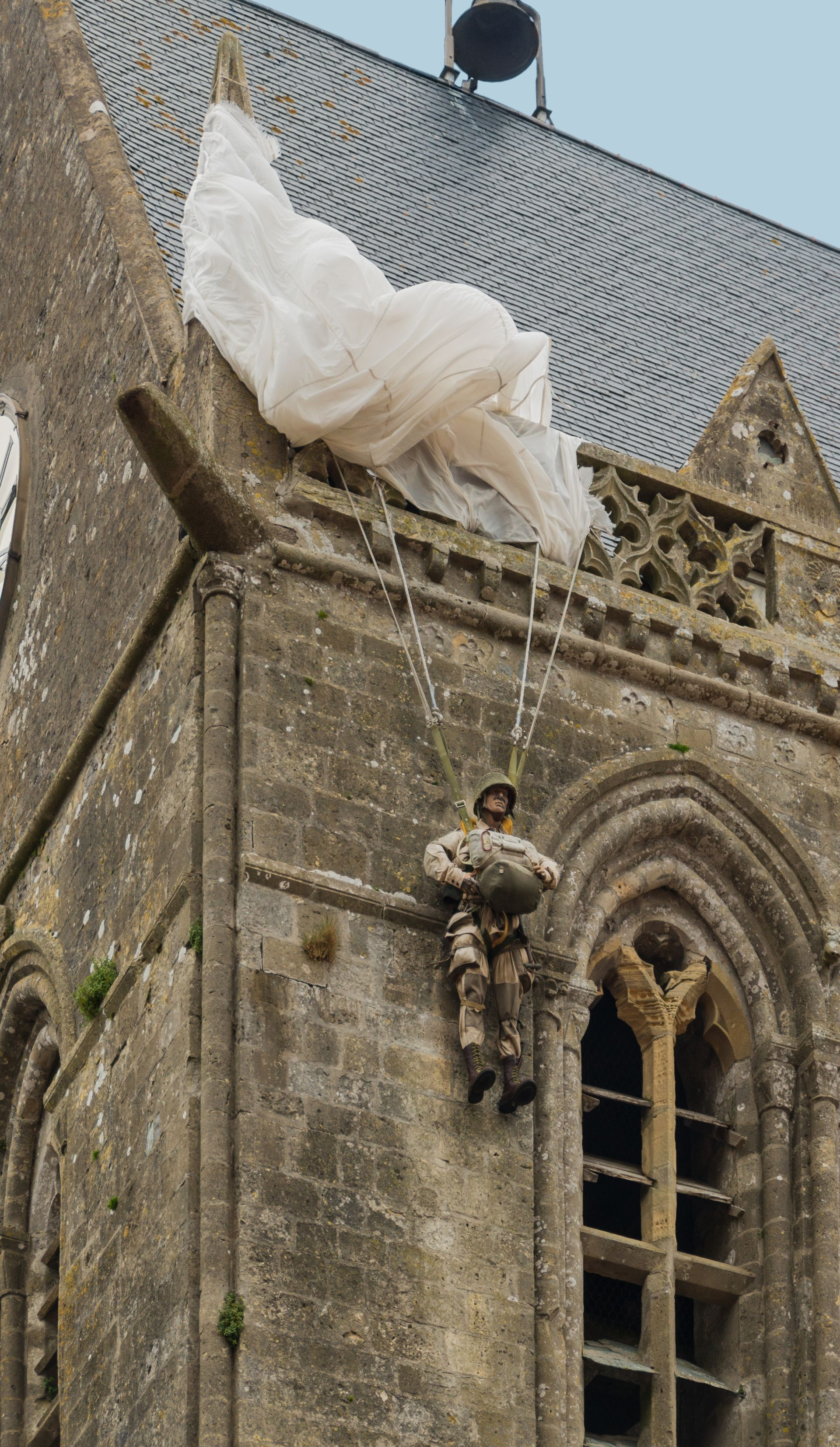
As John Steele descended, his parachute became entangled on the church steeple. Within seconds, he found himself suspended dozens of feet above the ground, completely exposed. Below him, the battle was already raging. Gunfire echoed through the streets, explosions lit the night, and American paratroopers fought to take control of the village.


Steele had been wounded in the foot during his descent. Unable to free himself and fully aware that he was an easy target, he made a crucial decision: he pretended to be dead. For nearly two hours, he hung motionless in the air. He heard the gunfire, the shouting, the chaos below, yet he did not move.

That decision ultimately saved his life.


Eventually, German soldiers noticed him.They cut him down and took him prisoner.But his captivity did not last long. American forces launched a counterattack and quickly regained control of Sainte-Mère-Église. Steele was freed shortly afterward.Despite everything he had endured, he rejoined his unit and continued fighting in the Normandy campaign.

A Story of Courage, Instinct, and Luck

John Steele’s story perfectly illustrates the unpredictable nature of war. It is a story where:

  • strategy meets chaos
  • courage meets fear
  • and survival depends on split-second decisions

He was not a mythical hero, but an ordinary man placed in extraordinary circumstances. And that is precisely what makes his story so powerful.


Today, visitors to Sainte-Mère-Église cannot miss the parachute hanging from the church tower.This powerful symbol pays tribute not only to John Steele, but to all the paratroopers who fought that night.The village itself was one of the first liberated towns in France, making it a key site for understanding D-Day.

For many American visitors, this place creates a deeply emotional connection to their history.


Experience This Story with Normandie Insiders

At Normandie Insiders, we believe history should be experienced, not just told.

Our private Normandy tours allow you to walk in the footsteps of the paratroopers and discover these iconic locations in a truly immersive way.
By Mathieu Berger April 1, 2026
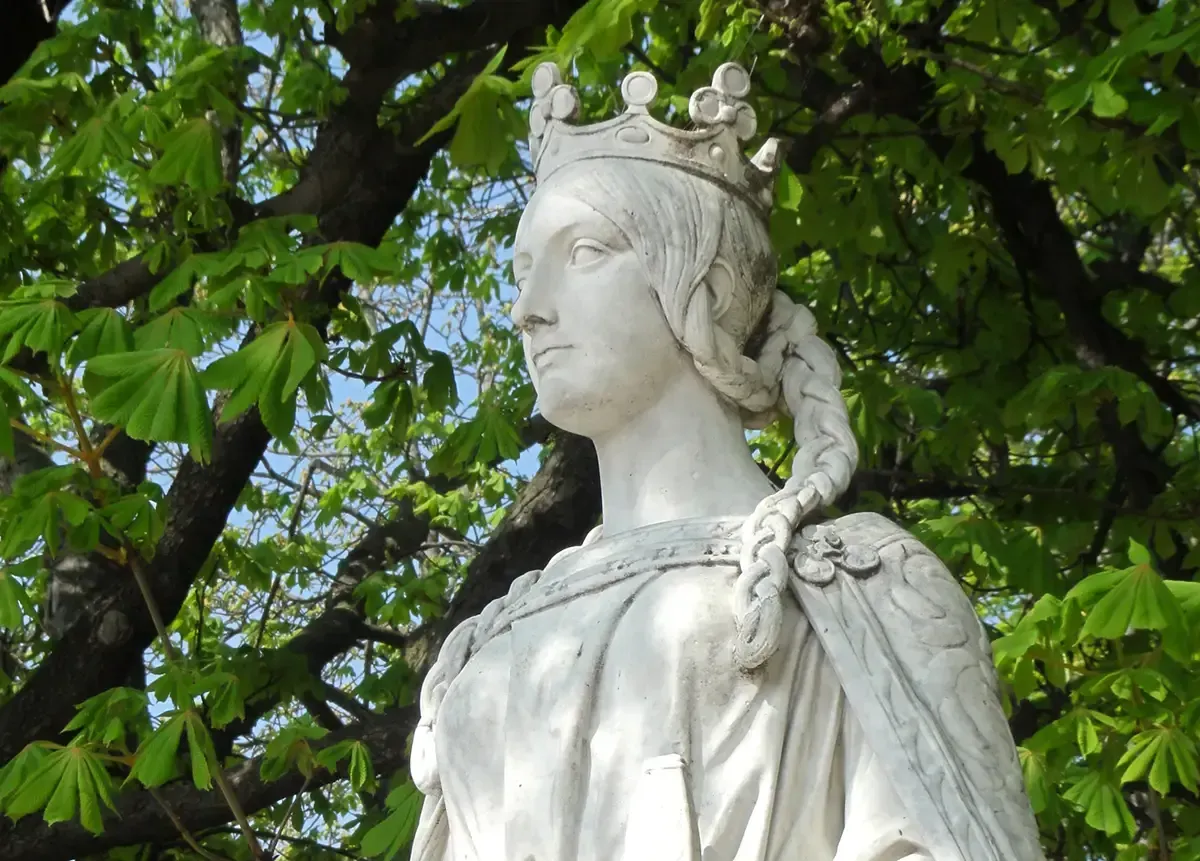
When travelers hear the name William the Conqueror, they often imagine a formidable warrior crossing the English Channel in 1066 to claim the throne of England.Yet this iconic narrative only tells part of the story. To truly understand William, the man, the ruler, and the strategist, one must also explore the life and influence of his wife, Matilda of Flanders. Their partnership was not merely dynastic; it was political, cultural, and profoundly modern in its balance of power. For today’s discerning traveler, this dual perspective transforms a historical visit into a deep, refined, and intellectually engaging journey through Normandy . A Marriage That Shaped Europe Matilda was born into the powerful House of Flanders, one of the most influential dynasties in Northern Europe. Her marriage to William was far from a romantic anecdote, it was a calculated alliance that strengthened Normandy’s geopolitical position. At the time, William was still consolidating his authority as Duke of Normandy. Through Matilda, he gained legitimacy, connections, and increased prestige among European courts.This union laid the groundwork for what would become one of the most transformative events in European history: the Norman Conquest of England. Matilda was not a passive consort.During William’s frequent absences, especially during the conquest and early years of his English reign, she governed Normandy. She managed ducal affairs, maintained stability, and ensured continuity of power. This level of responsibility highlights her intelligence, authority, and political acumen, qualities that resonate strongly with modern audiences seeking powerful female figures in history .
By Mathieu Berger March 31, 2026
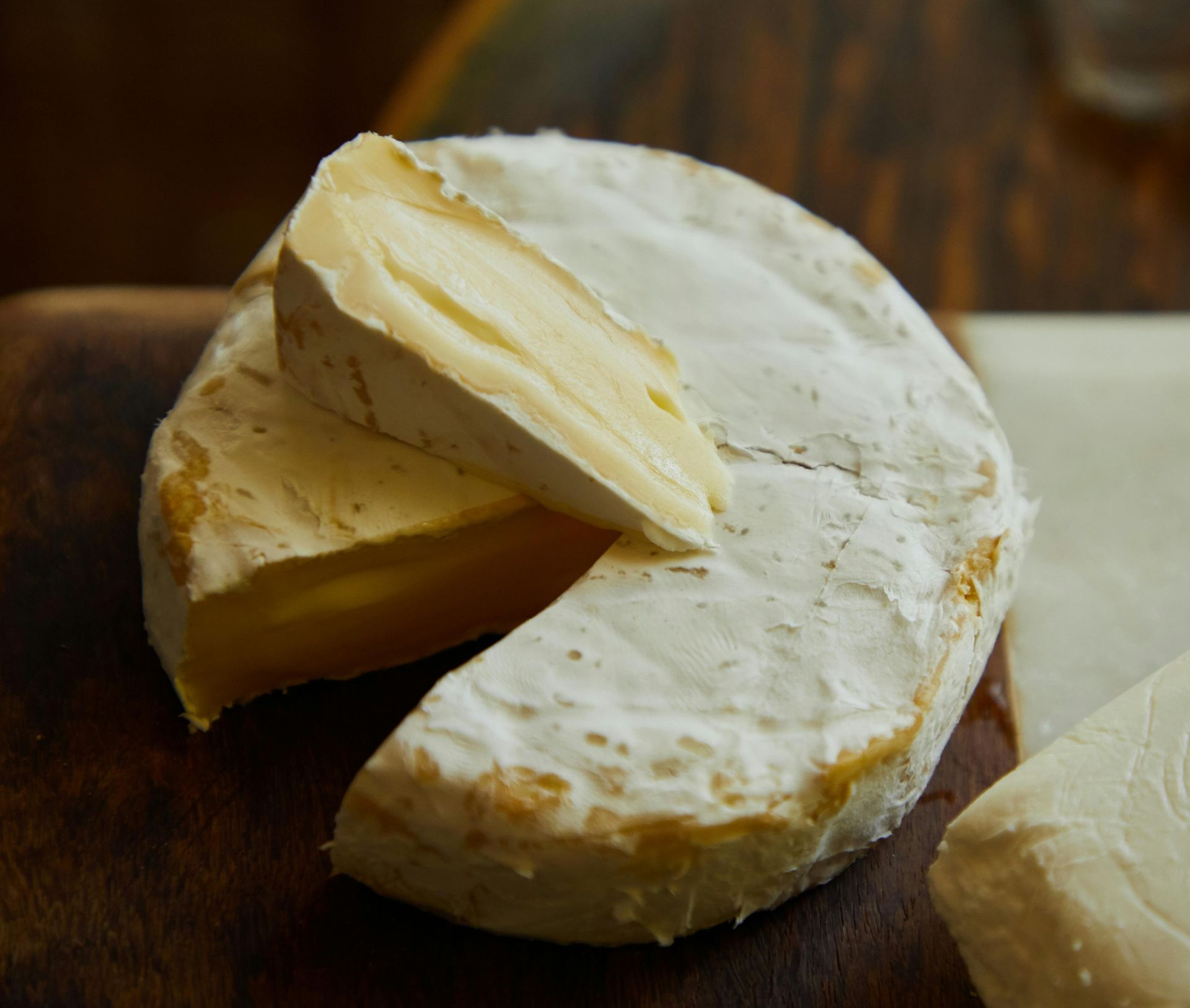
When travelers think of Normandy, France , images of rolling green pastures, historic villages, and refined gastronomy naturally come to mind. Among the region’s most iconic culinary treasures, Camembert cheese stands as a true symbol of the Norman terroir. More than just a cheese, Camembert embodies a way of life, rooted in tradition, craftsmanship, and authenticity. For visitors seeking exclusive tours in Normandy , discovering Camembert is an essential part of any luxury travel experience in France .
By Mathieu Berger March 27, 2026
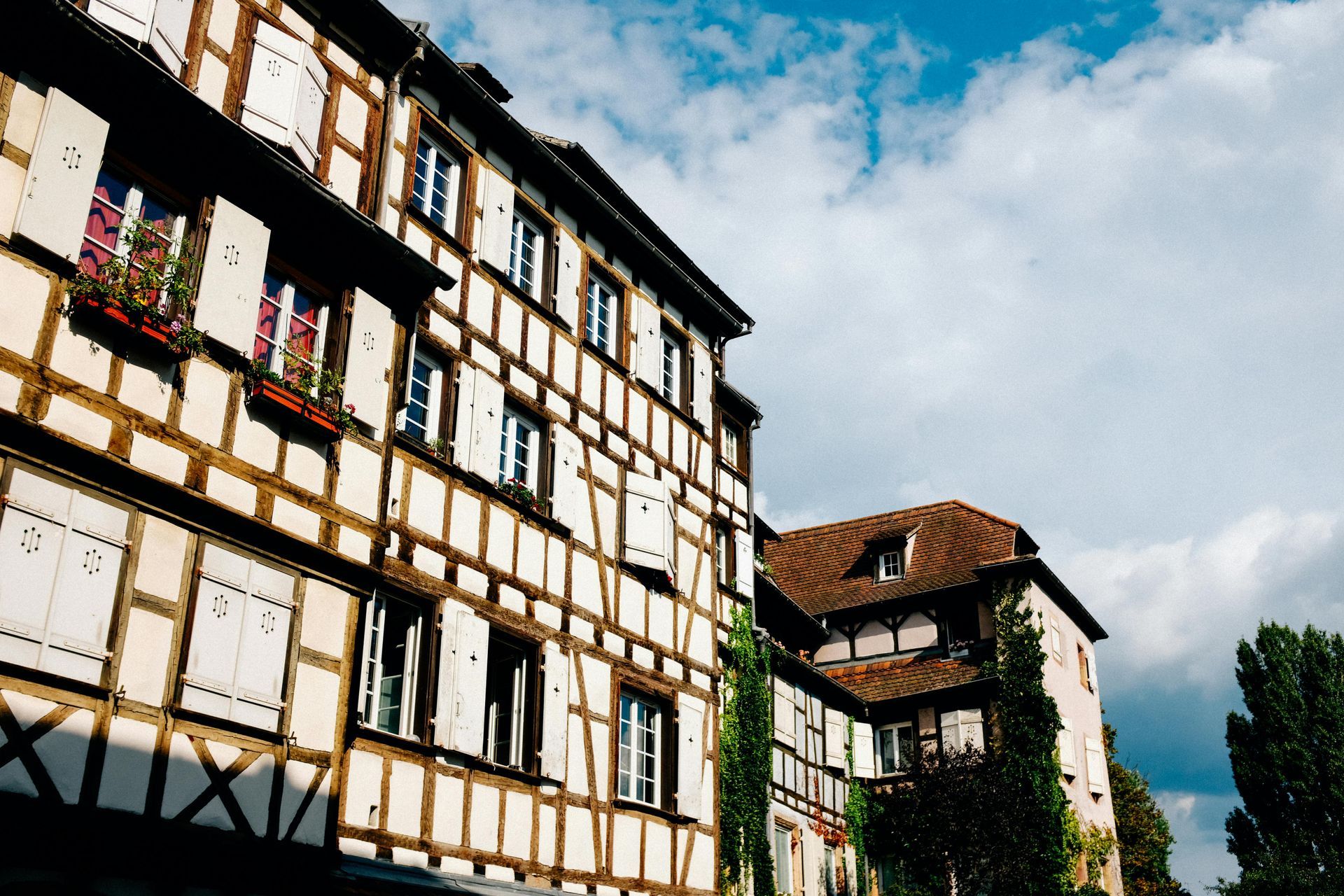
Where to See Half-Timbered Houses in Normandy Half-timbered houses, known in French as maisons à colombages or timber-framed houses, are an iconic symbol of Normandy’s architectural heritage. Instantly recognizable, they feature exposed wooden beams filled with materials such as wattle and daub or brick, often painted in warm, inviting colors. These picturesque homes typically date back to the Middle Ages or the Renaissance , and today they still shape the heart of many Norman villages. You’ll find them in abundance in places like Lyons-la-Forêt, Honfleur, Vernon, and Pont-Audemer , and especially in Rouen , which boasts the largest collection in France, around 2,000 half-timbered houses , including 200 from medieval times. In villages like Le Bec-Hellouin, these homes, sometimes topped with thatched roofs and decorated with blooming irises, offer a truly timeless atmosphere. Walking through these settings feels like stepping back into history, surrounded by the peaceful beauty of the Norman countryside.
By Mathieu Berger March 27, 2026
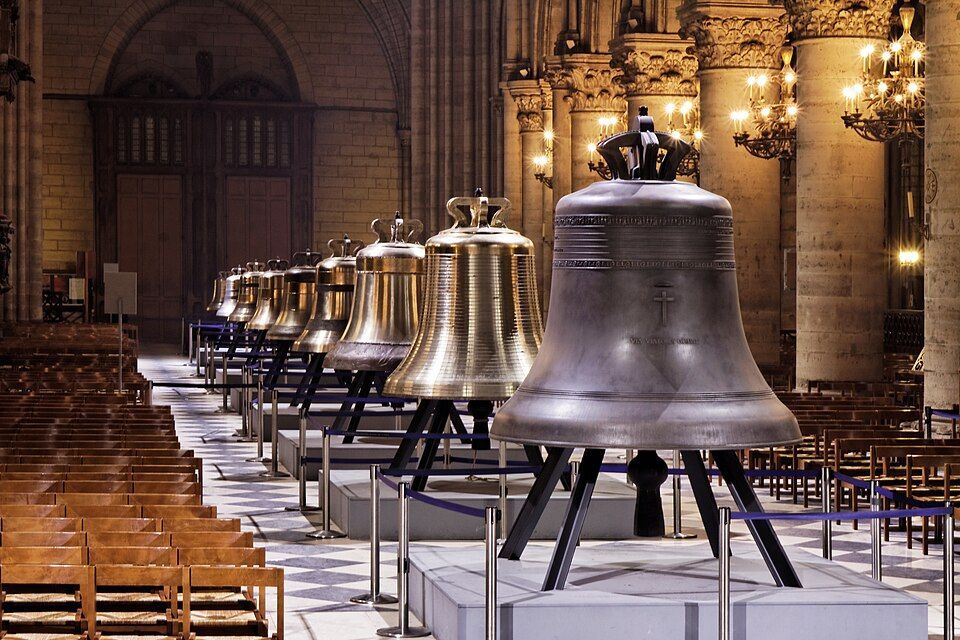
Part of the “sound” of Paris actually has a Norman accent: the eight bells in the north tower of Notre-Dame, installed for the cathedral’s 850th anniversary, were cast in Normandy. Just a short drive from Mont-Saint-Michel, the artisan town of Villedieu-les-Poêles is home to a foundry whose craft connects the bay to some of the world’s greatest monuments, a story best experienced on a private guided tour, blending heritage, landscapes, and local flavors.